
Opinion
By Randi Thompson / Nevada News and Views
Competition drives America’s free market economy, pushing companies to innovate, adapt, and chase new opportunities.
States feel that same pressure as they compete for investment, jobs, and entrepreneurs. Those willing to adapt and build clearer, friendlier business climates stand to benefit economically for decades.
Each state takes its own approach. New York and California have become known for high costs, heavy taxes, and layers of regulation that make it harder to start and run a business. Between 2011 and 2021, California lost roughly 1,250 corporate headquarters on net, with many moving to lower tax, less regulated states such as Nevada.
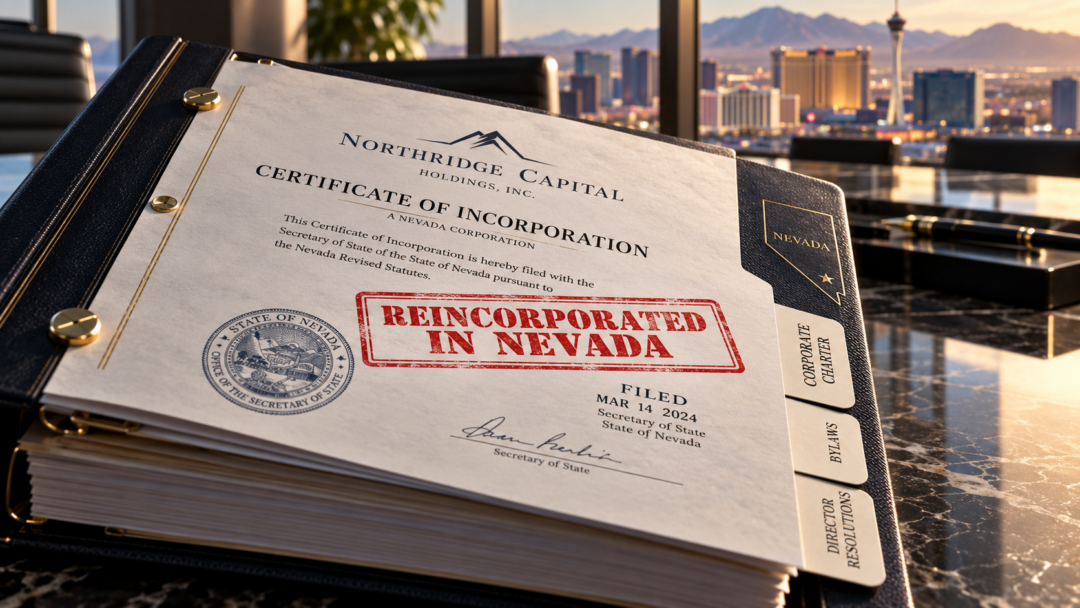
Even states long viewed as business friendly are not immune. Delaware has been the nation’s most popular place to incorporate for decades, but a growing number of companies have started looking elsewhere over concerns about its corporate legal climate. In 2025 alone, 18 companies proposed leaving Delaware, and 13 of them sought to reincorporate in Nevada.
Delaware’s corporate laws once gave it a strong competitive edge, but that edge is no longer guaranteed. As other states adapt, businesses are increasingly weighing alternatives. Their loss is Nevada’s gain.
Nevada is using this opening to strengthen its business climate and make itself an even more attractive home for companies. When states compete, lawmakers have a reason to reduce uncertainty, set clear rules, and pass policies that let businesses thrive. States that adopt pro business legislation will draw more investment, companies, and jobs.
As a small business advocate, I have seen from both the ownership and advising sides what a lack of certainty can mean. For a Fortune 500 company, it can delay a merger or major deal. For a small business, it can decide whether the doors stay open.
Nevada policymakers have taken concrete steps to give businesses more legal clarity. Assembly Bill 239 strengthened the state’s corporate framework by refining protections for directors and officers, reinforcing statutory rules, and reducing reliance on shifting judge made standards. Lawmakers also advanced Assembly Joint Resolution 8, a proposed constitutional amendment to create a business court for complex corporate disputes.
Clear, understandable rules give businesses more confidence to invest, expand, and grow. That predictability matters most for small businesses, which often run on thin margins and have less capital to absorb surprise costs such as litigation. In 2021, small businesses generated only 20 percent of business revenue but carried 48 percent of business litigation costs. Every dollar spent on costly lawsuits is a dollar not spent on hiring, expansion, or growth.
By streamlining dockets and bringing specialized expertise to complex commercial cases, a business court can help lower costs and give companies more confidence in how disputes will be settled.
Nevada has already shown it is open for business by offering more clarity and predictability, and lawmakers should keep building on that progress. When states compete to create better business climates, businesses, workers, and consumers all stand to gain.
Randi Thompson is a small business owner who served more than 12 years as the National Federation of Independent Business Nevada state director, advocating for small business at the Nevada Legislature.
Source: Nevada News and Views, October 23, 2026. Reported by Randi Thompson.