By Richard N. Velotta / Las Vegas Review-Journal
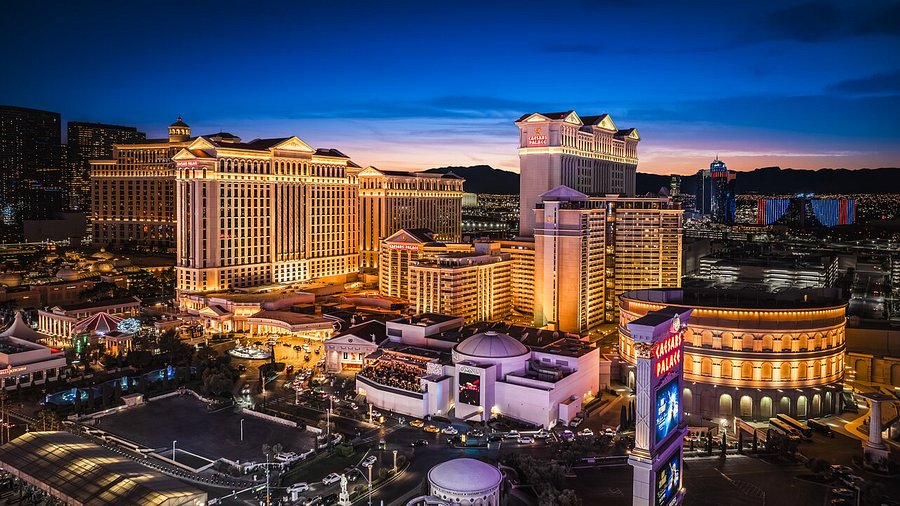
Tilman Fertitta’s $17.6 billion acquisition of Caesars Entertainment is not just a major business deal — it is one of the largest casino buyouts in Las Vegas history, and it arrives at a moment when the Strip is experiencing an unprecedented wave of private capital consolidation.
The only Las Vegas deal that tops it on record came in 2006, when private equity firms Apollo Global Management and TPG Capital agreed to acquire Harrah’s Entertainment in a transaction then valued at approximately $30.7 billion, which closed in January 2008. That deal saddled what would later become Caesars Entertainment with more than $20 billion in debt and ultimately led to the company’s bankruptcy restructuring — a legacy that still shapes Caesars’ balance sheet today.
Fertitta Entertainment is acquiring Caesars in an all-cash transaction that includes roughly $5.7 billion in equity value and the assumption of approximately $11.9 billion of Caesars’ outstanding debt. Caesars shareholders will receive $31 per share — a 49 percent premium over the company’s closing price on February 25, the last trading day before reports of a possible buyout began circulating. The Caesars board approved the deal unanimously and is urging shareholders to accept, calling the premium “compelling” value.
The Fertitta deal does not stand alone for long. Less than a week after it was announced, media mogul Barry Diller’s People Incorporated presented an $18 billion offer to acquire MGM Resorts International and take the company private. MGM is the largest casino operator on the Strip; Caesars is the second-largest. If both deals close, two of the three dominant players on the Las Vegas Strip will have moved from public to private ownership within the same week.
Fertitta Entertainment operates more than 600 locations across 36 states and 15 countries, anchored by the Landry’s restaurant empire and the Golden Nugget casino brand. Fertitta also owns the NBA’s Houston Rockets. When he was confirmed as U.S. Ambassador to Italy in April 2025, he stepped down as CEO of Landry’s, though he retains ownership of the conglomerate.
The transaction includes a go-shop period through July 11, 2026, during which Caesars and its advisors may solicit and consider competing acquisition proposals. The deal is not subject to a financing condition and will be funded through a combination of equity from Fertitta Entertainment, assumed Caesars debt, and new committed financing arranged by a group of 10 banks. Regulatory approval and shareholder sign-off are still required before the transaction can close.
The debt Fertitta is absorbing is substantially smaller than the burden Caesars carried before its bankruptcy, but its origins trace directly to the 2006 leveraged buyout that transformed Harrah’s from a publicly traded company into a private-equity-owned enterprise. Since the Eldorado Resorts merger in 2020 — itself valued at more than $17 billion including assumed debt — Caesars has repeatedly refinanced portions of that obligation while maintaining a substantial overall balance.
For Nevada’s business community, the convergence of these two landmark transactions signals something larger than any single deal: the Strip’s most storied assets are attracting generational private capital at a scale not seen in nearly two decades.
Source: Las Vegas Review-Journal, June 3, 2026. Reported by Richard N. Velotta.